On the route
Boise, Meridian, Nampa, Kuna, Eagle and Star all draw water from wells and the Boise River that carry a heavy mineral load. Every machine in your house that touches that water is slowly narrowing, coating and stiffening from the inside. This guide explains where the scale goes, what it looks like from the kitchen, and which fixes are yours to make.
Mon–Fri 8am–6pm · Sat 9am–3pm · Sunday closed · same-day windows for a warm refrigerator
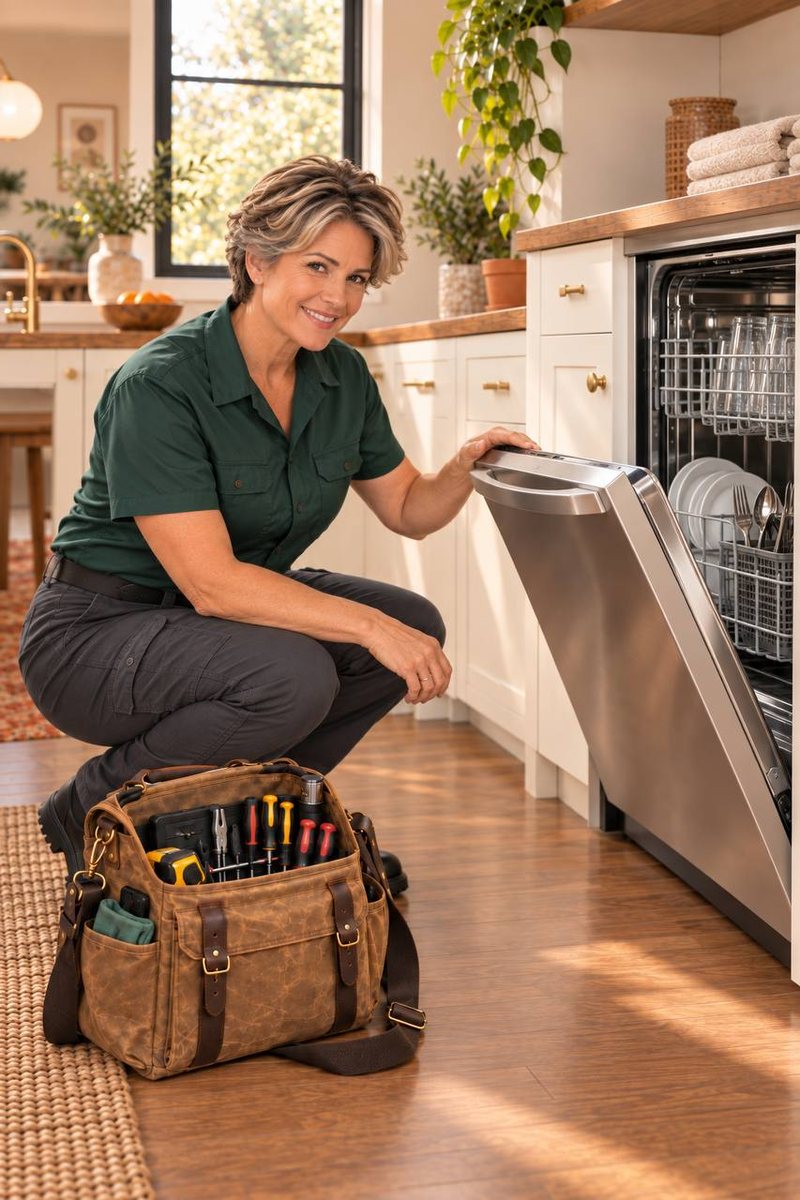
Hardness is dissolved calcium and magnesium, and Treasure Valley water carries a lot of it. When that water is heated or left to evaporate, the minerals drop out as a white crust. Inside an appliance that means the hottest and wettest surfaces go first: the heating element in a dishwasher, the small orifice of an ice-maker fill valve, the screens on a washer inlet, the fill tube that feeds a refrigerator dispenser. Scale does not fail a machine all at once. It narrows a passage a little each month until the fill takes too long, the tray underfills, or the element works so hard through its coating that it burns open.
The Treasure Valley angle is that almost nobody here has soft water by default. Boise city water from the Veolia system blends wells and river water and lands firmly in the hard range. Meridian, Nampa, Kuna, Star and Middleton run on municipal wells that test hard to very hard, and private wells on acreage lots in Eagle, Kuna and Middleton can be harder still. That is why a Nampa ice maker can scale shut in five years and a new Paramount dishwasher leaves film on glasses early. A softener changes the picture, but only while it has salt and a working control head; a softener that quietly stopped regenerating shows up in the dishwasher first.
| Machine | What you notice | What is really happening | What we do |
|---|---|---|---|
| Dishwasher | Cloudy glasses, white grit in the bottom, dishes still wet or dirty, a sour smell. | The heating element is coated, so water never reaches temperature; spray-arm holes and the sump screen are plugged with mineral; the float or check valve is stiff. | Test the element with a meter, descale the sump and arms, replace a burnt element or seized pump, and check whether the softener is doing its job. |
| Ice maker | Small, hollow or cloudy cubes, then no ice at all; a slow trickle at the door dispenser. | The fill valve orifice has narrowed until the tray underfills on each cycle; the fill tube may have a mineral plug or frozen dribble. | Measure the fill volume, replace the scaled valve, clear the tube, and confirm the mold cycles and harvests before leaving. |
| Washer | Fill takes many minutes, the machine times out, or water drips into the tub between loads. | The inlet screens are plated white and the valve seat is held open by scale, so it neither fills fast nor closes fully. | Clean or replace the screens, meter the valve coils, replace a stuck valve assembly, and run a full fill and drain test. |
| Refrigerator/freezer | Dispenser water slows to a thread; the filter needs changing far sooner than expected. | Mineral is settling in the reservoir, the filter head and the dispenser line, and the same fill valve that serves the ice maker is narrowing. | Check flow at the valve, replace the valve if restricted, clear the line, and note the filter schedule for your water. |
| Dryer | Nothing from the water itself, but a dryer sharing the laundry closet gets no benefit either. | Hard water is not a dryer problem, though softener-treated laundry can shed more lint; the real dryer issue in this valley is dust in the vent. | Confirm the complaint is heat or airflow, then treat it as the vent-and-fuse job it usually is rather than a water job. |
| Range/oven | A white ring on the glass top under a kettle; a dull crust around a steam-oven inlet. | Boil-overs evaporate and leave mineral on the surface; steam ovens and combi units scale internally like a dishwasher. | Surface deposits are cleaning, not repair; on steam ovens we check the inlet valve and descale according to the maker's procedure. |
Call when cleaning stops working. A citric-acid cycle that no longer clears the glasses means the element or pump is coated past rinsing; an ice maker that stays silent after a filter change has a valve problem; a washer that still fills slowly with clean screens has scale in the valve body. Those are meter-and-part repairs, done from the truck in one visit for the brands Treasure Valley homes own. The technician tests the suspect part, names it plainly, and writes one price that already includes the $99 diagnostic. If a softener out of salt is the root cause, you hear that too.
Yes. Boise's supply blends deep wells with Boise River water and lands in the hard range on any standard scale. Meridian, Nampa, Kuna, Star and Caldwell pump from municipal wells that test hard to very hard, and private wells on acreage lots are often harder. Scale is the single most common factor in the dishwasher, ice-maker and washer calls we take across the whole valley.
A working softener slows it dramatically. The catch is that softeners fail quietly: the salt runs out, the control head stops regenerating, or a bypass valve gets left open after plumbing work. The dishwasher notices first, with cloudy glasses within a few weeks. We do not sell or service softeners, but the technician will tell you when one is part of the problem.
Both happen. Spray arms, sump screens, inlet screens and fill tubes can usually be descaled and reused. A heating element that has burned open under its coating, a valve whose seat no longer seals, or a pump seized with mineral has to be replaced. The meter decides which, and the written price follows the diagnosis.
Manufacturers generally treat scale as a water-quality issue rather than a defect, so a scaled valve or element is usually not covered under the maker's warranty. Our own repair carries a written warranty regardless of what caused the failure. The surest protection is a softener that is kept in salt and checked, especially on well water in Kuna, Star and Eagle.
It depends on the part and the machine, and we do not quote before the diagnosis. The technician tests with a meter, names the failed part, and writes one number. The $99 diagnostic is already inside that number; if you decline the repair, $99 is the whole bill. Every price is given in writing after the diagnosis, and the repair leaves with a written warranty.
Call (208) 813-1132 or send the form. Most requests get a callback within the hour in business time, with a real arrival window.
The technician tests the machine with a meter, names the failed part in plain words, and writes one flat price. The $99 is already inside it.
We stock the high-failure parts for the brands Treasure Valley homes actually own, so most jobs close on the spot; ordered parts return with no second trip fee.
Full test cycle before we pack up, a tidy work area after, and a written warranty in your hand.
One call starts it: $99 diagnostic, one written number, repair from the truck, written warranty.